SGAC announces the winners of the Nebula Award 2025
One of the main missions of SGAC is to facilitate access to the world’s major space conferences for young professionals and students. The Nebula Award enables outstanding SGAC members to attend the 23rd Space Generation Congress (SGC): 25-27 September 2025 and 76th International Astronautical Congress (IAC): 29 September – 3 October 2025 in Sydney, Australia.
SGAC is proud to announce that eight extraordinary SGAC members have been selected to win the Nebula Award for their relentless contribution towards the growth of the space community. This Scholarship facilitates the attendance of international delegates who bring unique and insightful perspectives to the Space Generation Congress.
Congratulations to all the winners!!
Florence Pauline Basubas (Philippines)
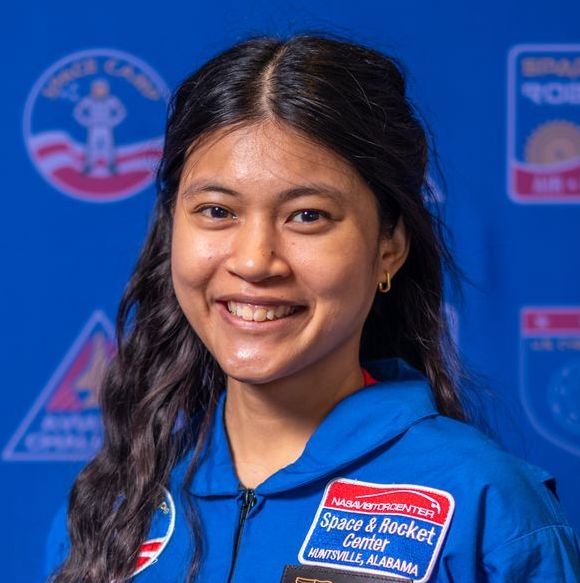
Florence Pauline Basubas is an early-career scientist from Cebu, Philippines, passionate about integrating Sustainability, Education, and Evidence-based Policy in Healthcare, Environment, and Space. She holds dual Bachelor’s degrees in Applied Biochemistry and Economics from Minerva University, and a Master’s in Multidisciplinary Research (Biomedicine, Molecular Virology, and Space Biology) from the Barcelona Institute of Science and Technology and Pompeu Fabra University. Florence served as the National Point of Contact for the Philippines from 2020-2022 and leads various national science mentoring and space education initiatives. She conducted microgravity experiments through SGAC’s Horizon 2023 parabolic flight with the Aurelia Institute and was selected for the NASA Space Academy under the UNOOSA Space4Youth program. Most recently, she was selected to be an analog astronaut for the World’s Biggest Analog mission. She is currently the Event Manager for the Asia-Pacific Space Generation Workshop 2025. Florence is committed to advancing research, education, and technology development to improve space education, space sustainability and space medicine.
“Equitable and sustainable access to space begins with equitable access to space education. I am honored to receive the scholarship to attend the 23rd SGC 2025, where I look forward to exchanging ideas and building collaborations that empower youth—especially from island and emerging space nations—to lead the future of space.”
Nisanur Eker (Turkey)
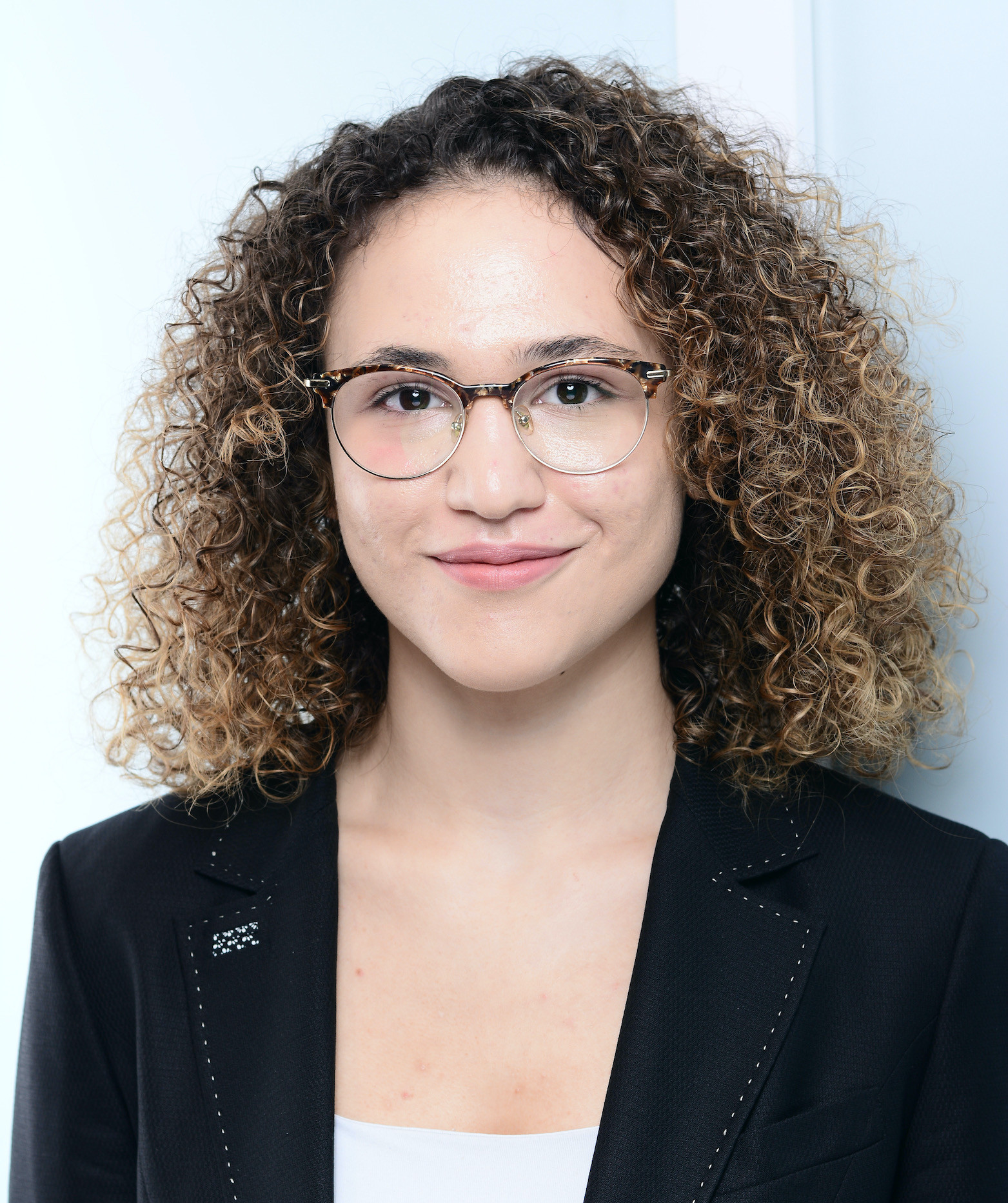
Nisanur is a systems engineer at OHB System AG working on optical payloads aimed at improving our understanding of the planet. She holds a B.Sc. in Mechanical Engineering and M.Sc. in Aerospace from the Technical University of Munich. Nisa has been part of SGAC since 2022, and she was part of organizing the E-SGW 2024 in Munich, SGC 2023 in Baku and SG[Germany] 2025 in Stuttgart. Currently, she is the NPoC for Turkey and working towards a more active SGAC community in the country and the region. Her work as an engineer and a volunteer have been recognized with the IAF Emerging Space Leader Award in 2022, SGAC Nebula Award in 2023 and TU Munich’s Women in Engineering and Design Diversity Award. In her free time, Nisa likes hiking in the mountains, running and bouldering.
“Receiving the SGAC scholarship to attend SGC and IAC is an incredible honour. It means a lot to be part of this global community that shares my passion for space. This opportunity will allow me to learn from inspiring people and bring fresh insights into the volunteer work I do within SGAC and beyond.”
Matej Poliacek (Slovakia)
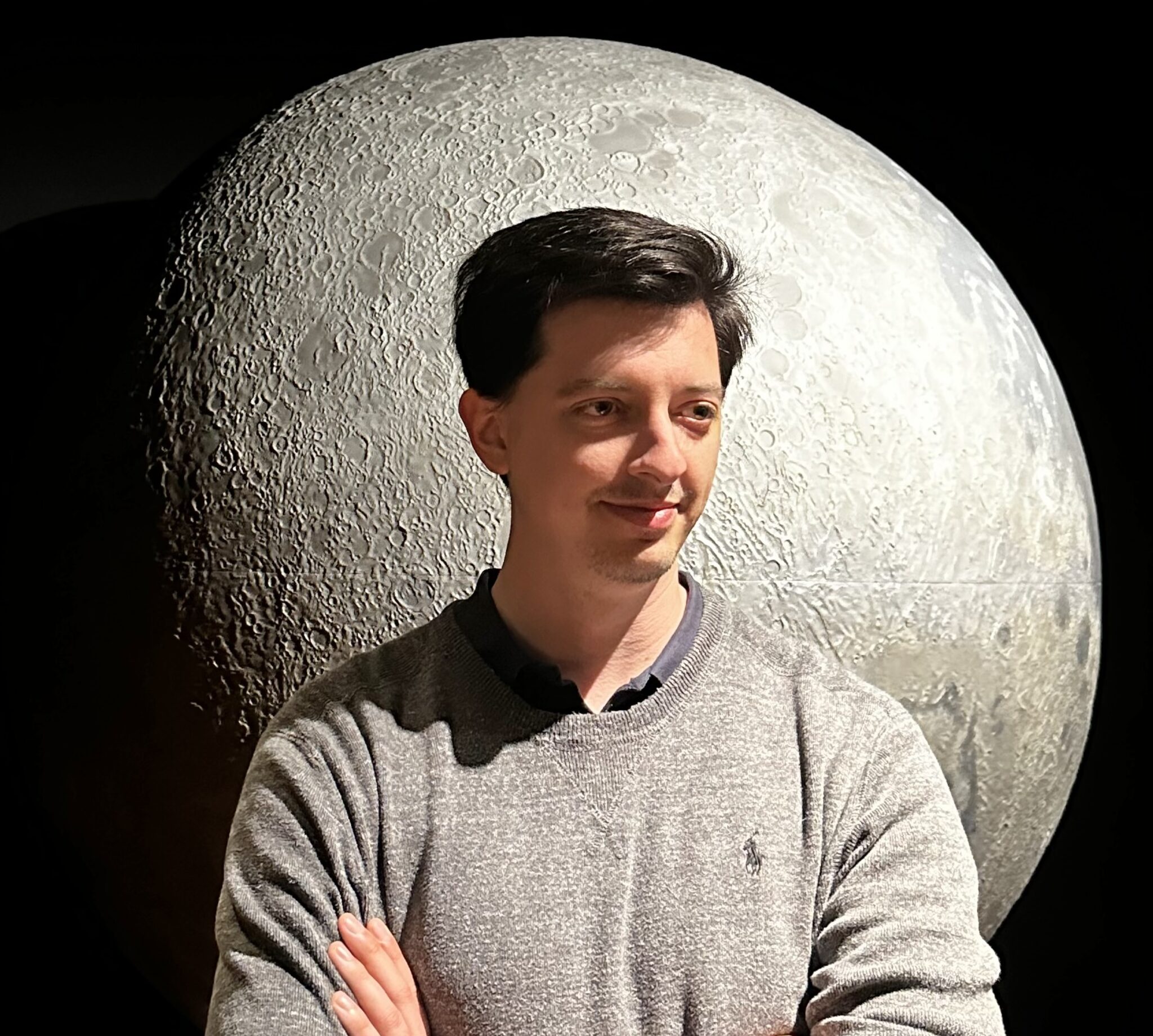
Matej Poliaček is a Flight Director at the German Aerospace Centre (DLR), responsible for real-time operations of ESA’s Columbus laboratory module on board the ISS. Beyond console shifts he is involved in a number of projects, the most recent being RESPIRE, a microgravity aerosol experiment selected by SGAC for the Aurelia Horizons parabolic campaign, aiming to advance research on human physiology in space. His interest in human spaceflight research has also brought him inside an isolated habitat and into the field as a participant in several analogue missions, and to contributing to the V4 Analogue Challenge, a 24-hour isolation mission that gave four analogue astronauts from Czechia, Slovakia, Poland and Hungary their first taste of analogue research. Within SGAC he served two terms as National Point of Contact for Slovakia, founded the “Postcards to Space” project, and helped deliver events from regional workshops to SGC 2023/24. Recognised by SSPI’s 20 Under 35 and Forbes Slovakia’s 30 Under 30, Matej also serves on the IAF Human Spaceflight and IAF ACCESS committees. He holds an MSc in Software Development and a BSc in Statistics from the University of Glasgow.
“ Receiving the Nebula Award is an immense honour. SGAC has accompanied me through most of my career in the space industry, providing not only guidance and opportunities but also a community of colleagues and friends. I’m grateful for the chance to keep learning within this network and to pass a little of what I’ve learned on to those coming after me.”
Jorge Rubén Casir Ricaño (Mexico)

Jorge Ruben Casir Ricaño is a Mexican Ph.D. candidate at the Space Robotics Laboratory of the Kyushu Institute of Technology (Kyutech). He is an awardee of the UN/Japan long-term fellowship “Postgraduate Studies on Nano Satellites (PNST).” Jorge’s research focuses on the fault-tolerant and terrain-adaptive locomotion for a four-wheeled planetary exploration rover with active suspension. He obtained a Specialist degree in the Design, Production, and Operation of Rockets and Space Systems at Bauman Moscow State Technical University (BMSTU).
Jorge is the project manager of Kyutech’s BIRDS-X DRAGONFLY satellite, a team of more than 15 international students of different backgrounds. He is also the leader of the structure subsystem, where he designed, developed, and tested the satellite’s structure to comply with JAXA’s safety standards.
Jorge contributed to the design, testing, and programming of two rovers for lunar construction collaboration. His research on anomaly and fault detection aims to improve the rovers’ reliability and robustness, minimize resource wastage, and thereby enhance construction possibilities on the Moon and other planets.
He is also an active member of the space community, having been involved in organizing committees for several International Workshops, including the 1st MVA TWLG Workshop, where he was a discussion group moderator, and the 6th E-SGW. He has also participated in several regional Space Generation Workshops, two Fusion Forums, and a Space Symposium.
“Space is something so great, something that many people have dreamed of since they were kids, and I will do my best to make it a reality for all. I’m honored to receive this SGAC scholarship for SGC 2025 and IAC 2025 in Sydney, and grateful for the opportunity to grow, contribute, and connect with the global space community.”
Andie Wang (Chinese Taipei)

Andie Wang is the founding member and President of Taiwan Space Generation (TSG), a youth-led NGO that connects emerging Taiwanese talent with the global space community. She also serves as a Science & Technology Officer at the British Office Taipei, where she facilitates academic and innovation partnerships across space, semiconductors, sustainability, and other frontier technologies. Her work focuses on leveraging science diplomacy to strengthen international engagement, build strategic partnerships, foster cross-sector innovation, and broaden youth access to space. Through both roles, she champions collaborative approaches to build a more inclusive and dynamic space ecosystem.
Since launching TSG in 2023, Andie has grown the team from 10 to over 50 members. Under her leadership, TSG has become a platform for education, public outreach, and regional collaboration — delivering workshops, events, and public content that help Taiwanese youth engage in international space development.
She has represented Taiwan at major global forums, including IAC 2024 and the 40th Space Symposium, co-authored a policy paper on Taiwan’s space governance with the University of Nottingham Taiwan Insight Hub, and is currently co-developing the Taiwan Young Space Professionals Program with the Taiwan Space Agency. She will also serve as MC for APSCC 2025 in Taiwan. Andie holds a BA in Global Political Economy from Waseda University, with a study year at University College London, where she focused on innovation and international collaboration.
“I’m truly honored to receive the SGAC scholarship — a recognition that affirms the importance of inclusive, cross-disciplinary approaches in shaping the future of space. I’m grateful for SGAC’s continued support in empowering emerging space leaders, and I look forward to engaging with professionals around the world to spark ideas, strengthen ties, and help build a more connected and forward-moving space ecosystem.”
Julia Alvarez Vallero (Argentina)
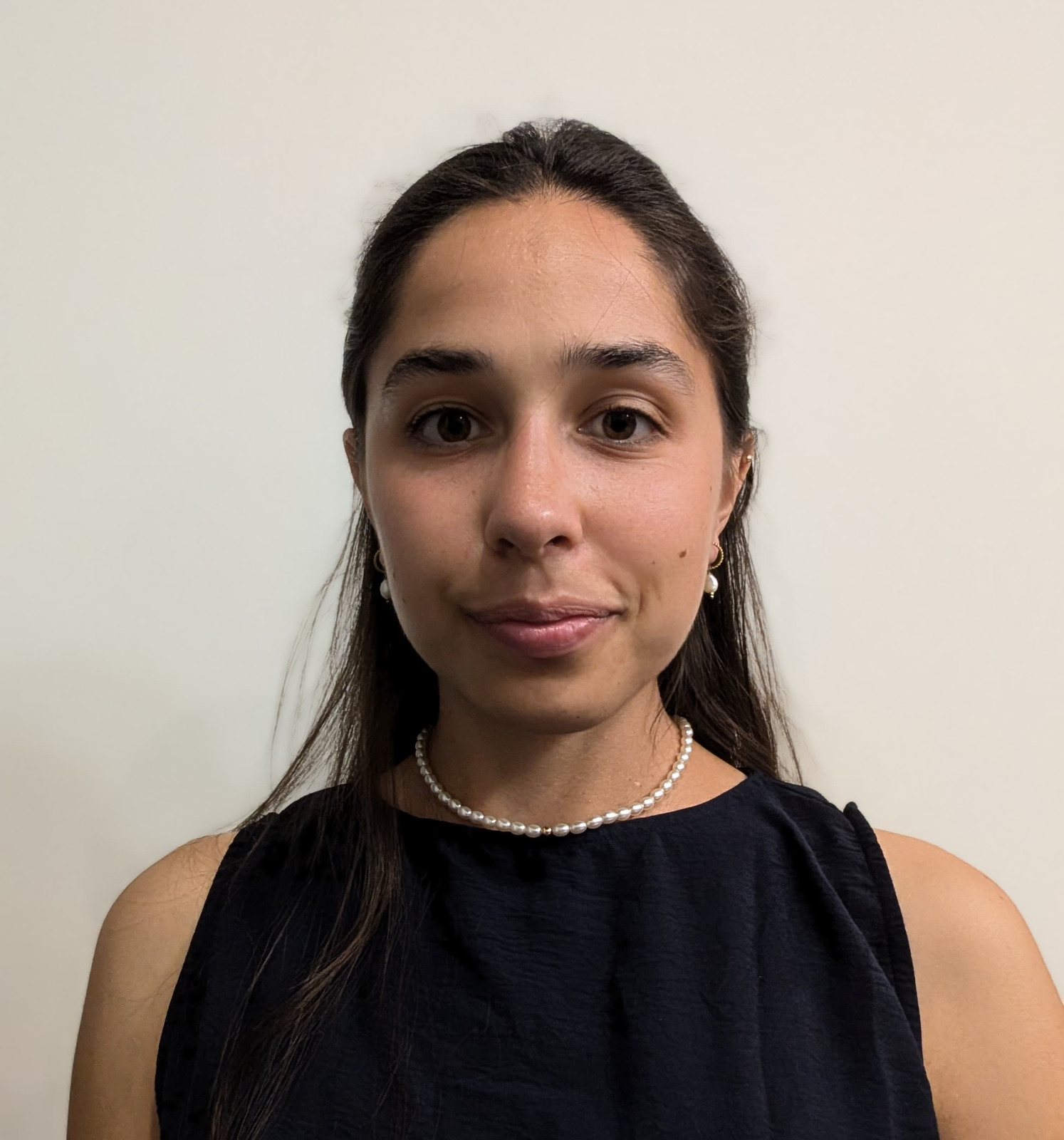
Julia is an electronic engineer from Argentina, graduated from the National University of Córdoba. She holds a Master’s degree in Renewable Energies, Climate Change, and Sustainability from the University of Santiago de Compostela, Spain, and she is currently pursuing her PhD at the University of Texas at Arlington, United States.
She worked for more than three years as a power design engineer in the space sector at INVAP, an Argentinian company dedicated to the design and manufacture of complex technological systems. She also worked at the University of Sant’Anna in Pisa on a project involving Air Breathing Electric Propulsion.
Julia is passionate about space and is committed to encouraging youth to follow the space path through SGAC and her project, MELIORA. Within SGAC, she currently serves as one of the Regional Coordinators for South America, is the Students Team Manager at the Achieved Academy, and collaborates with the Space Safety and Sustainability Project Group.
“It means a great deal to me to be selected as a recipient of this grant, which will allow me to participate in two major events in the space industry. This is a valuable opportunity not only for my own growth, but also to amplify the presence of the South American community. It’s a unique chance to build connections with the international space community and to engage with SGAC friends from around the world.”
Sarinya Jitklongsub (Thailand)
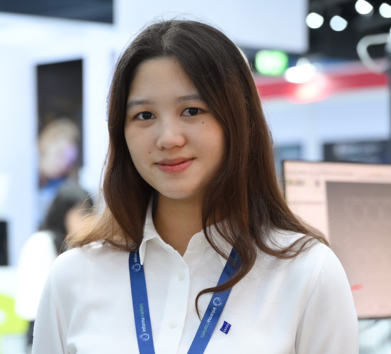
Sarinya (Fern) is a mechanical engineer from Thailand with a lifelong passion for space. She has been involved in space research since high school, with projects such as creating Southeast Asia’s first lunar regolith simulant, co-founding the Space Youth Association of Thailand, and assisting in a parabolic flight experiment launched earlier this year. Since her graduation in 2024, she has been working as a Application Engineer at Carl Zeiss Thailand. She has been an active member of SGAC since 2020. Her activities within the organization include supporting the running of the SGAC booth at the 2022 IAC and serving as the Delegates Team Lead for the Asia-Pacific Space Generation Workshop in 2024 and 2025. She aims to increase Thailand’s presence in the space industry and make space more accessible for developing countries.
“It is such an honor to receive an SGAC scholarship, and I am incredibly grateful to have been given this opportunity. It is a true testament to SGAC’s dedication to promoting inclusivity and equity in space. Ad astra per aspera!”
Omar Enrique Blas Morales (Peru)

Omar Enrique Blas Morales is a Peruvian Physical Engineer passionate about the development of satellite technology such as CubeSats and satellite image processing. He has been engaged in diverse space research initiatives, including Peru’s first space biology project to be launched into space: the IRMA Project, which investigates pathogenic bacteria in microgravity to support the development of critical systems for space medicine in long-duration missions.
Throughout his academic career, he has been actively involved in aerospace research and development, taking part in the CubeDesign competition organised by INPE in Brazil and the CanSat Leadership Training Programme (CLTP) conducted by UNISEC Global in Japan. Furthermore, since 2023, he has served as a research assistant at the National Commission for Aerospace Research and Development (CONIDA), contributing to nanosatellite projects.
Beyond research, Omar is deeply committed to promoting space science education and actively participates in international initiatives to foster scientific and technological development in Peru, and space cooperation in South America.
“It is a great honour to receive the Space Generation Leadership Award. SGAC has inspired my growth and commitment to advancing space development in Peru and Latin America. I am deeply thankful for this opportunity to continue building bridges between science, education, and international cooperation.”