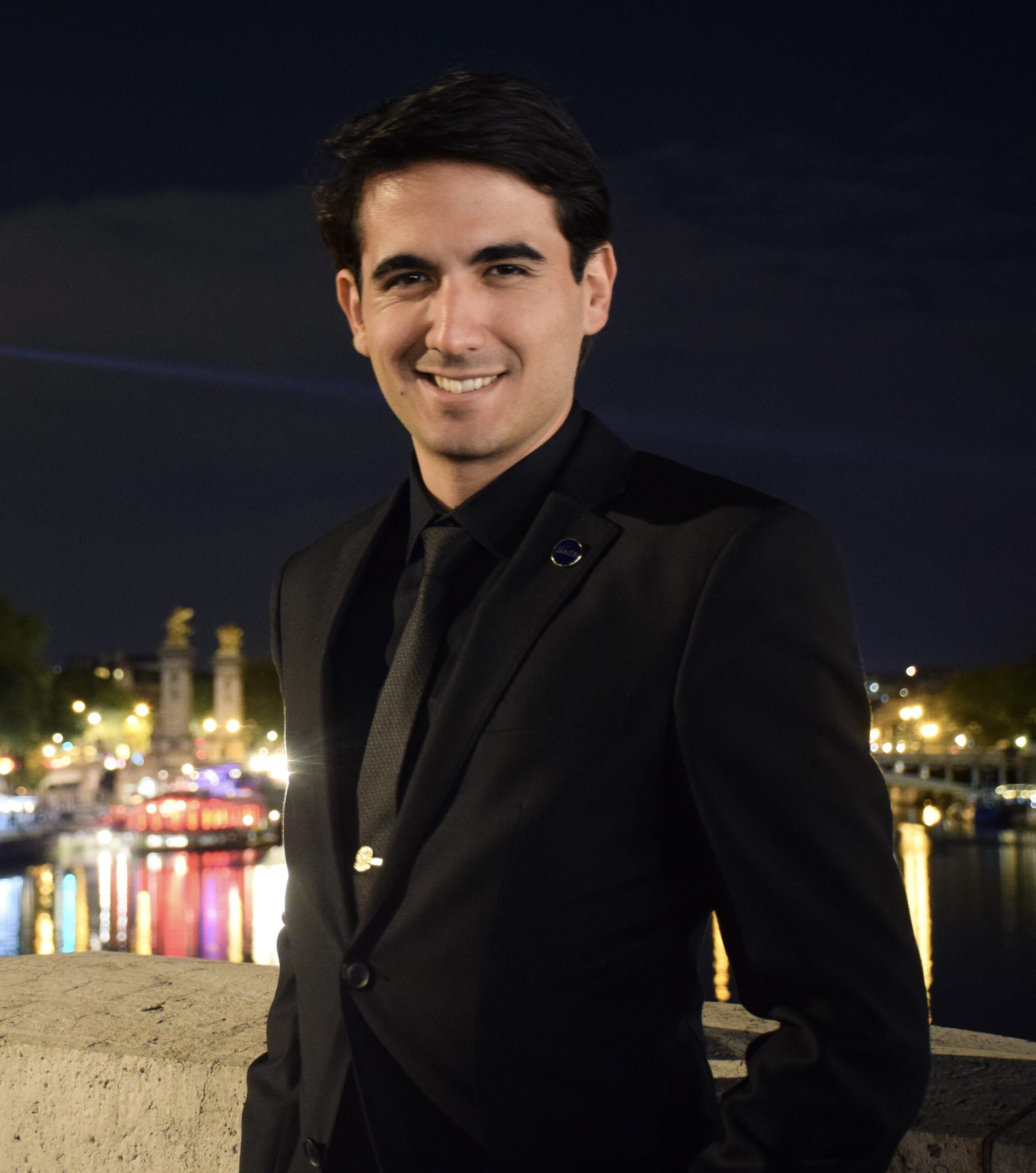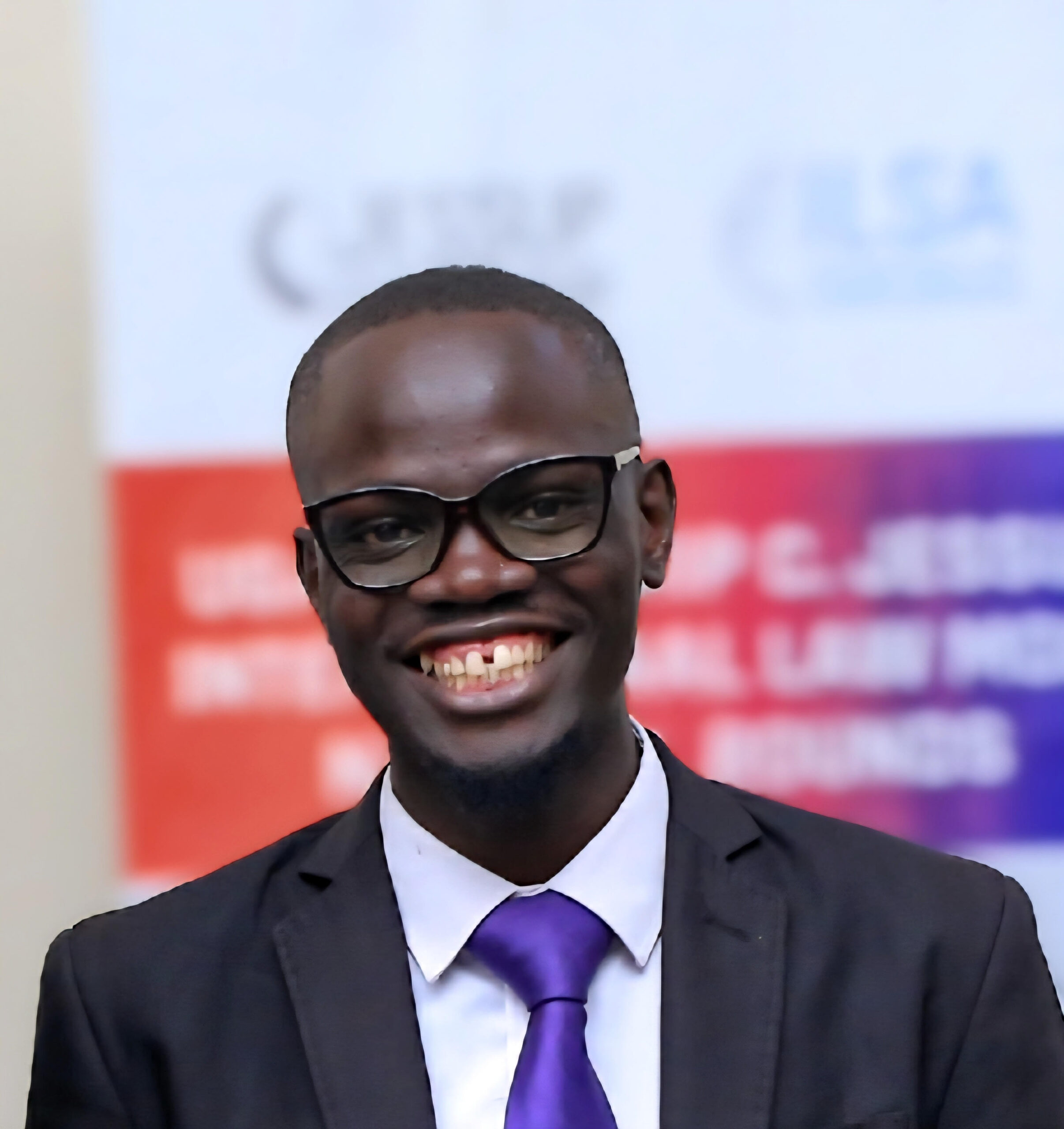
Embracing diversity is the cornerstone of SGAC’s principles. The goal of the Asia Pacific Space Leaders Award is to provide an opportunity for interaction between members of the space sector with diverse geographic and professional backgrounds. SGAC is pleased to announce Namishka Mendonca, Pranjal Mhatre and Sackdavong Mangkhaseum as the winners of the 2025 Asia Pacific Space Leader Award. The winners will be sponsored to attend the 11th Asia Pacific Space Generation Workshop to be held on 15th and 16th of November 2025, in Mactan, Cebu, Philippines.
Congratulations Namishka, Pranjal and Sackdavong!
Namishka Mendonca
Namishka is a Masters by Research (MRes) student in Earth and Planetary Sciences focused on analyzing fresh ice-exposing craters on Mars. She is keen on studying terrestrial planets through the lens of Geology that will contribute to robotic and human space exploration. She has been an ardent science communicator for five years with experience in creating educational content for space associations like APOSA and SGAC. She has communicated about her academic and professional experience through webinars, podcasts and stand-up comedy. She is dedicated in disseminating knowledge to the general public and bridging the gap between planetary science research and the space sector.
“I attended my first AP SGW just two years ago, hence I am honored to have been considered for this scholarship. I am grateful to SGAC for opening doors and contributing immensely in carving my path within the Space Sector. I accept this award not as just a prize but as a responsibility in ensuring that my perspective as an academic and science communicator is heard in order to provide those with a similar background a seat at the table.”
Pranjal Mhatre
| Pranjal Mhatre is a systems engineer with experience in India’s private space sector, having worked at Skyroot Aerospace on small-lift launch vehicles (SSLV) class platforms. However, Pranjal’s passion extends beyond engineering; he is deeply interested in studying the intersection of technology and policy, with a particular interest in space security and sustainability. He has also served as a NAST research fellow at the Takshashila Institution, contributing studies on satellite mega-constellations, space security, and sustainability that bridge technical insights with policy frameworks. He is an active member of SGAC, engaging in project groups, regional events, and policy discussions through the NCAC Task Force, supporting dialogues on regulatory frameworks and collaborative governance for emerging space activities. Pranjal also serves as the National Point of Contact (NPoC) for SGAC in India. |
“I am honored to receive the Asia-Pacific Space Leaders Award 2025. This recognition motivates me to keep working toward building a sustainable and collaborative space future for our region. I look forward to learning from fellow delegates at AP-SGW 2025 in Cebu and contributing to meaningful discussions shaping the next generation of space activities.”
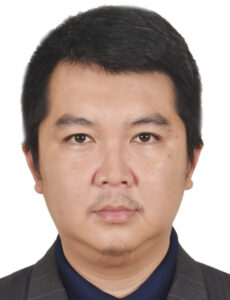
Sackdavong Mangkhaseum
Dr. Sackdavong Mangkhaseum is a lecturer at the Faculty of Engineering, National University of Laos (NUOL), where he actively promotes space education and applied research in engineering. He earned his Master’s and PhD in Electrical and Space Systems Engineering from Kyushu Institute of Technology, Japan, where he contributed to small satellite missions such as Sagansat and Curtis (3U CubeSat) at the LaSEINE laboratory. His doctoral research focused on flood susceptibility mapping in the Nam Ngum River Basin, Laos, applying machine learning and multi-source remote sensing data. Beyond research, Dr. Sackdavong is dedicated to inspiring the next generation through STEM workshops, youth outreach, and curriculum development. He has represented Laos at global platforms including the International Astronautical Congress (IAC) and IAF/UNOOSA workshops, and is a recipient of the IAF Emerging Space Leaders Grant.
“Space is not far away—it begins with curiosity, creativity, and the courage to dream. I want Lao youth to see that they, too, can reach the stars and shape the future of our world.”