SGAC Chile
National Points of Contact Chile
Welcome to SGAC Chile!
Chile is experiencing a dynamic moment in the development of its space ecosystem, driven by advances in astronomy, satellite technologies, telecommunications, scientific research, innovation, and interdisciplinary collaboration. Through SGAC Chile, we aim to connect and empower students and young professionals across the country, fostering community engagement, international collaboration, and access to opportunities within the global space sector.
We invite you to join our growing community and become part of the next generation shaping the future of space activities in Chile and Latin America.
Young Space Activities Overview in Chile
Chile is undergoing a significant transformation in its space ecosystem, evolving from its historical leadership in astronomy into a broader, more dynamic, technologically advanced, and interdisciplinary space sector.
The country continues to strengthen its global position through world-class scientific infrastructure, including the Vera C. Rubin Observatory and the development of the Cherenkov Telescope Array Observatory (CTAO), consolidating Chile as a global hub for astronomical research, astrophysics, and data-driven science. At the same time, Chile has expanded its capabilities in satellite technologies, telecommunications, aerospace innovation, Earth Observation, and strategic scientific infrastructure, positioning itself as one of the leading emerging space actors in Latin America.
During recent years, Chile has experienced sustained growth in satellite-related initiatives and advanced technological development. National efforts linked to the National Satellite System, Earth Observation applications, geospatial technologies, and strategic telecommunications infrastructure have contributed to strengthening the country’s operational and institutional capabilities in the space sector. In 2024, Chile reached an important milestone with the launch of Lemu Nge, the first Chilean private hyperspectral satellite, designed to support biodiversity monitoring and environmental analysis through space-based technologies. This achievement reflects the increasing participation of Chilean startups and private actors within the national space ecosystem.
The country has also advanced in areas related to aerospace engineering, spectrum management, satellite communications, remote sensing, scientific data processing, and connectivity infrastructure, including the continued expansion of 5G networks and strategic digital capabilities. These developments have enabled growing applications in disaster monitoring, environmental protection, climate analysis, agriculture, logistics, scientific research, and territorial management, reinforcing the strategic value of space technologies for national development.
This scientific and technological growth is being complemented by the consolidation of a more coordinated national space ecosystem. Initiatives such as the National Space Center (CEN), alongside collaborative efforts promoted by ACHIDE (Asociación Chilena del Espacio A.G.), are fostering stronger coordination between academia, industry, government institutions, civil society, and emerging private-sector actors. In 2026, this momentum was further reflected in the creation of a national space consortium, whose first formal signing session took place on March 25th, 2026, reinforcing Chile’s strategic positioning within the regional space sector.
This evolution has encouraged an increasingly interdisciplinary approach to space activities in Chile, integrating engineering, telecommunications, Earth Observation, sustainability, scientific research, entrepreneurship, public policy, education, outreach, international cooperation, life sciences, legal and regulatory perspectives, and emerging innovation initiatives. This reflects the interconnected nature of the Chilean space ecosystem and the growing collaboration between technical, academic, institutional, and private-sector communities.
Within this context, SGAC Chile plays a key role in connecting students and young professionals and strengthening a growing national community. This effort has been reinforced through the recent expansion of its national leadership with the appointment of a new National Point of Contact (NPoC), contributing to stronger coordination, outreach, and community engagement efforts throughout the country. The responsibilities associated with the NPoC role include maintaining national coordination, promoting educational activities, supporting outreach initiatives, strengthening local networks, and keeping the national country page updated.
In April 2026, Chile successfully hosted the 10th South American Space Generation Workshop (SA-SGW) in Santiago (6–7 April), bringing together participants from across Latin America and consolidating the country’s role as a regional hub for the next generation of space leaders. The event strengthened collaboration between students, young professionals, academia, and industry representatives from across the region.
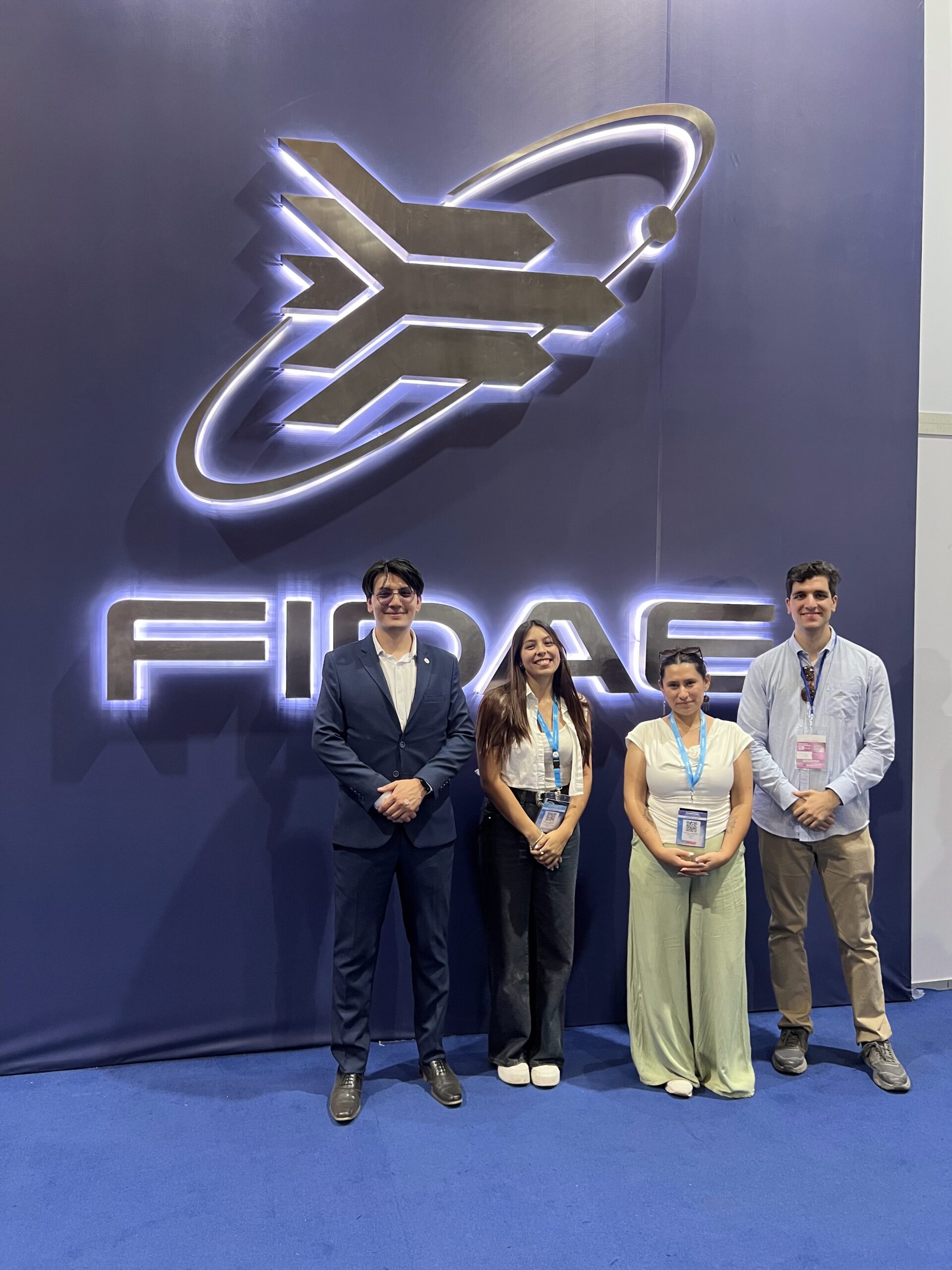
This momentum continued with FIDAE, held in Santiago from 7–12 April 2026, one of the most important aerospace and defense events in Latin America. FIDAE served as a major meeting point for aerospace innovation, satellite technologies, defense, telecommunications, research institutions, universities, and emerging talent, further reinforcing Chile’s role as a strategic aerospace and space hub in the region.
Additionally, local initiatives are actively contributing to community development and expanding interdisciplinary engagement. On April 29th, 2026, the university-led event “El Derecho Más Allá de la Tierra – I Encuentro de Derecho Espacial” was successfully held in Santiago at Universidad de Las Américas (UDLA), fostering dialogue between legal, technical, academic, and policy perspectives and reinforcing the importance of interdisciplinary approaches within the Chilean space ecosystem.
SGAC Chile continues to expand its national community through active engagement initiatives, including the consolidation of a national WhatsApp community connecting more than 160 members and enabling direct coordination, collaboration, and outreach among students and young professionals across the country.
Upcoming Events
SGAC Events
| Events Name | Event Host City | Event Date | SGAC link |
|---|---|---|---|
| SA-SGW26 (past) | Santiago, Chile | 6-7 April 2026 | https://spacegeneration.org/10th-sa-sgw-2026-home |
Industry Events
| Events Name | Event Host City | Event Date | Event Webpage/Event Link |
|---|---|---|---|
| Feria Internacional del Aire y del Espacio (FIDAE) | Santiago, Chile | 7-12 April 2026 | https://www.fidae.cl |
| Iº Encuentro de Derecho Espacial: “El Derecho más allá de la Tierra” | Santiago, Chile | 29 April 2026 | https://www.instagram.com/p/DX0PiI-Fohl/?utm_source=ig_web_copy_link&igsh=MzRlODBiNWFlZA== |
| EtM Day | Santiago, Chile | 19, 20, 21 November 2026 | https://etmday.org/ |
Interesting WebLinks
- Ministry of Science, Technology, Knowledge and Innovation (Chile)
- Chilean Space Association (ACHIDE)
- Aerospace Engineer Program – UAI & Chilean Air Force
- Chilean Air Force (FACH)
- National Space Center (CEN)
- Department of Astronomy – Universidad de Chile
- Espacio Ciencia
- Spacely
- European Southern Observatory (ESO – Chile)
- ALMA Observatory
- Vera C. Rubin Observatory
- Institute of Astrophysics – Pontificia Universidad Católica de Chile
- Civil Aerospace Engineer – Universidad de Concepción
- Astrophysics Department – Universidad Andrés Bello
- Astronomy Center – Universidad de Antofagasta
- Information Technology Engineering – Universidad Católica del Norte
- Bachelor’s Degree in Physics with a Mention in Astronomy – Universidad Católica del Norte
- Geology – Universidad Católica del Norte
- CINNDA
- Sirio Space
- Fundación Pequeñas Grandes Estrellas
- Chilean Society of Astronomy
- Astrophysics Group – PUCV
Visuals
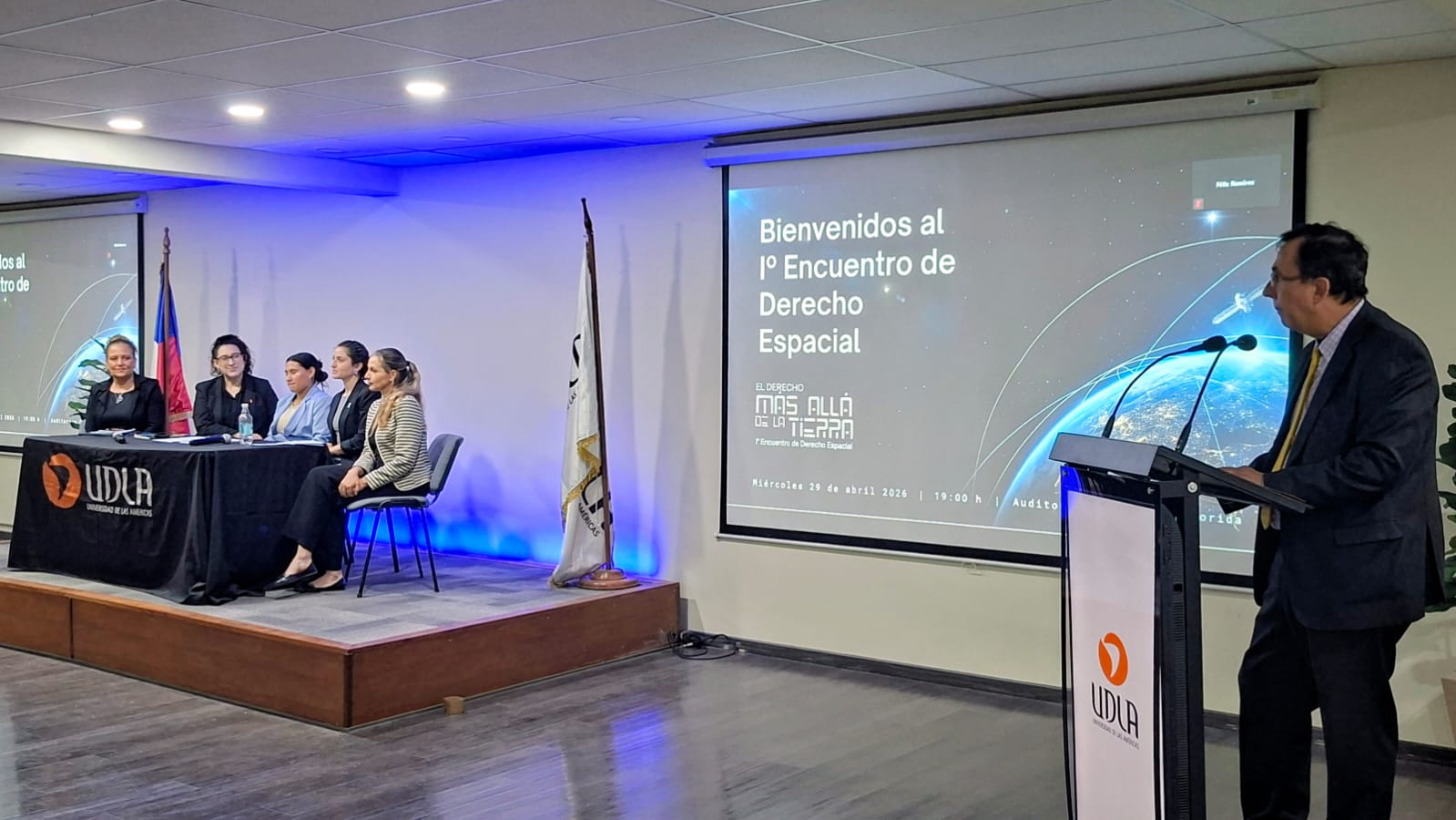
Iº Encuentro de Derecho Espacial
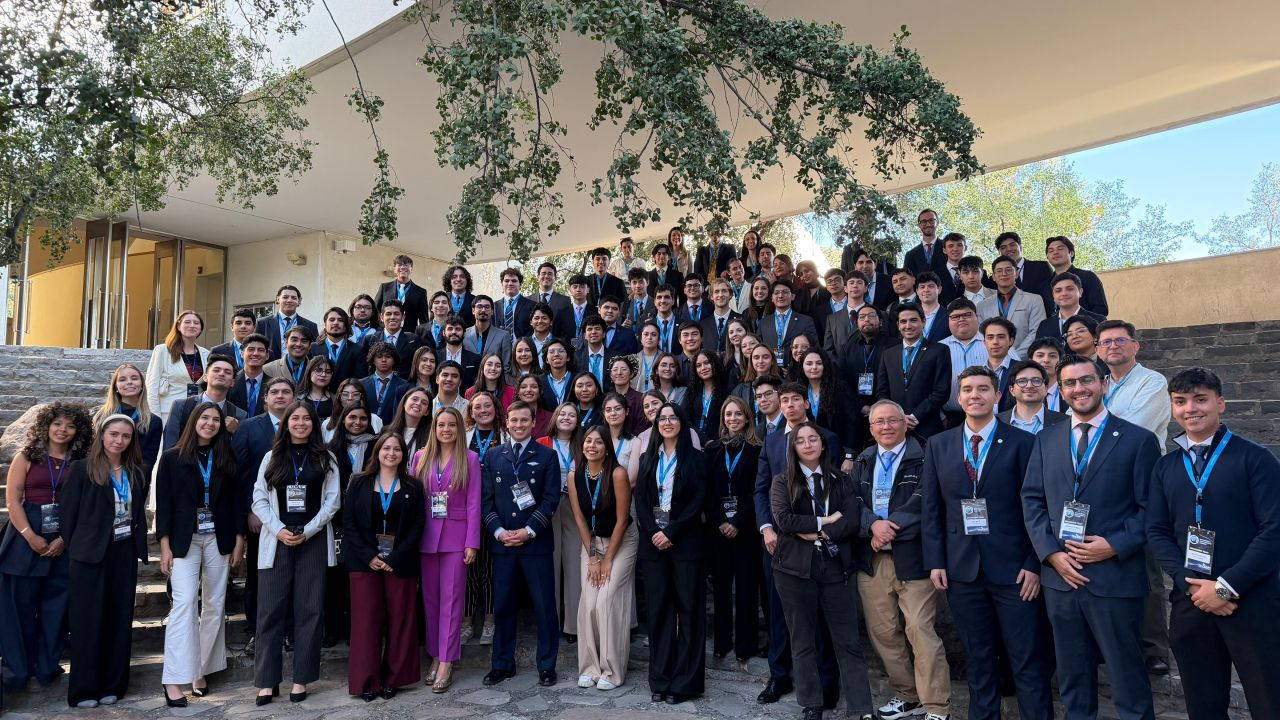
10th SA-SGW 2026
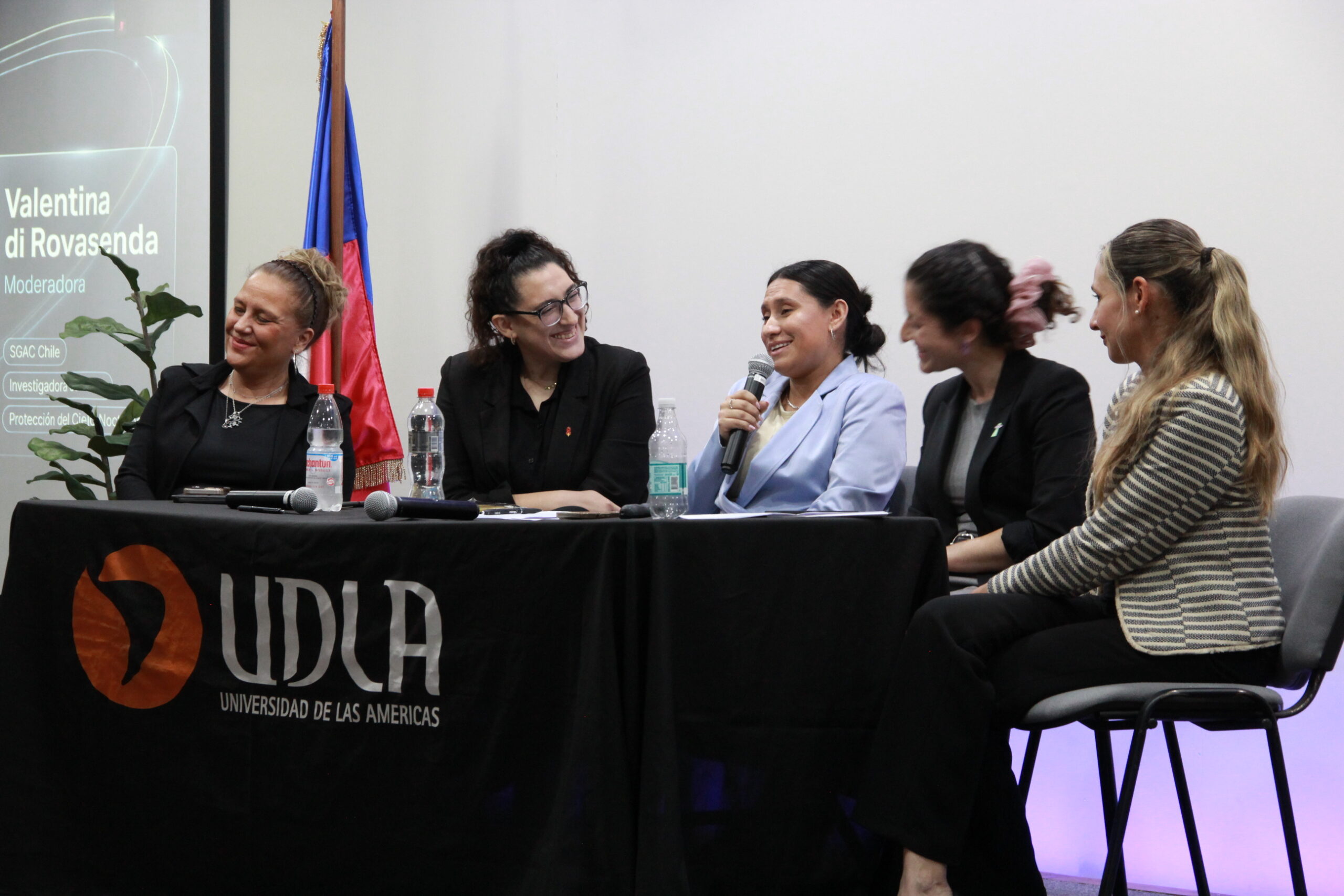
Panel of Iº EDE
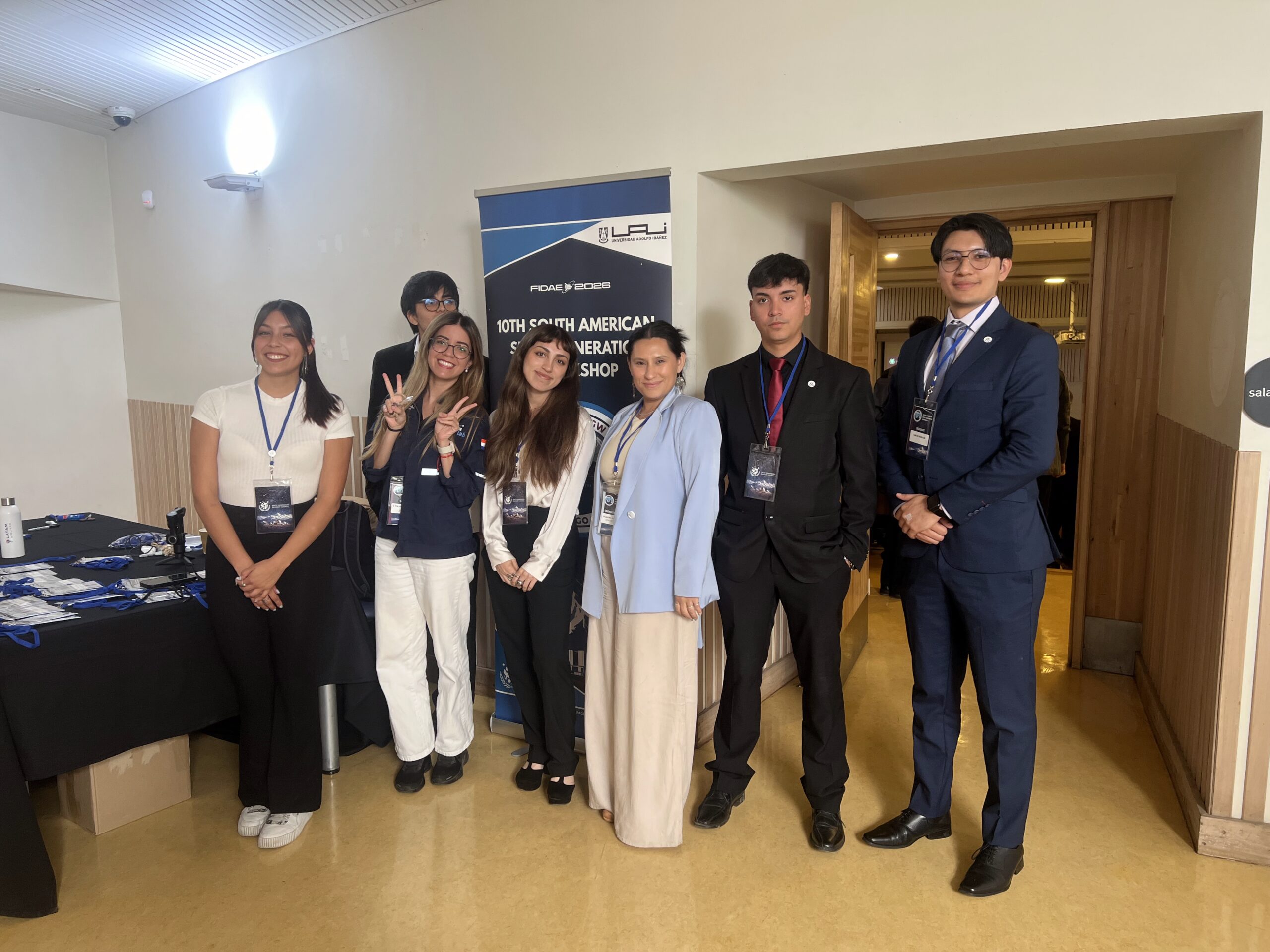
Part of SA-SGW Organizing Team and SA Team
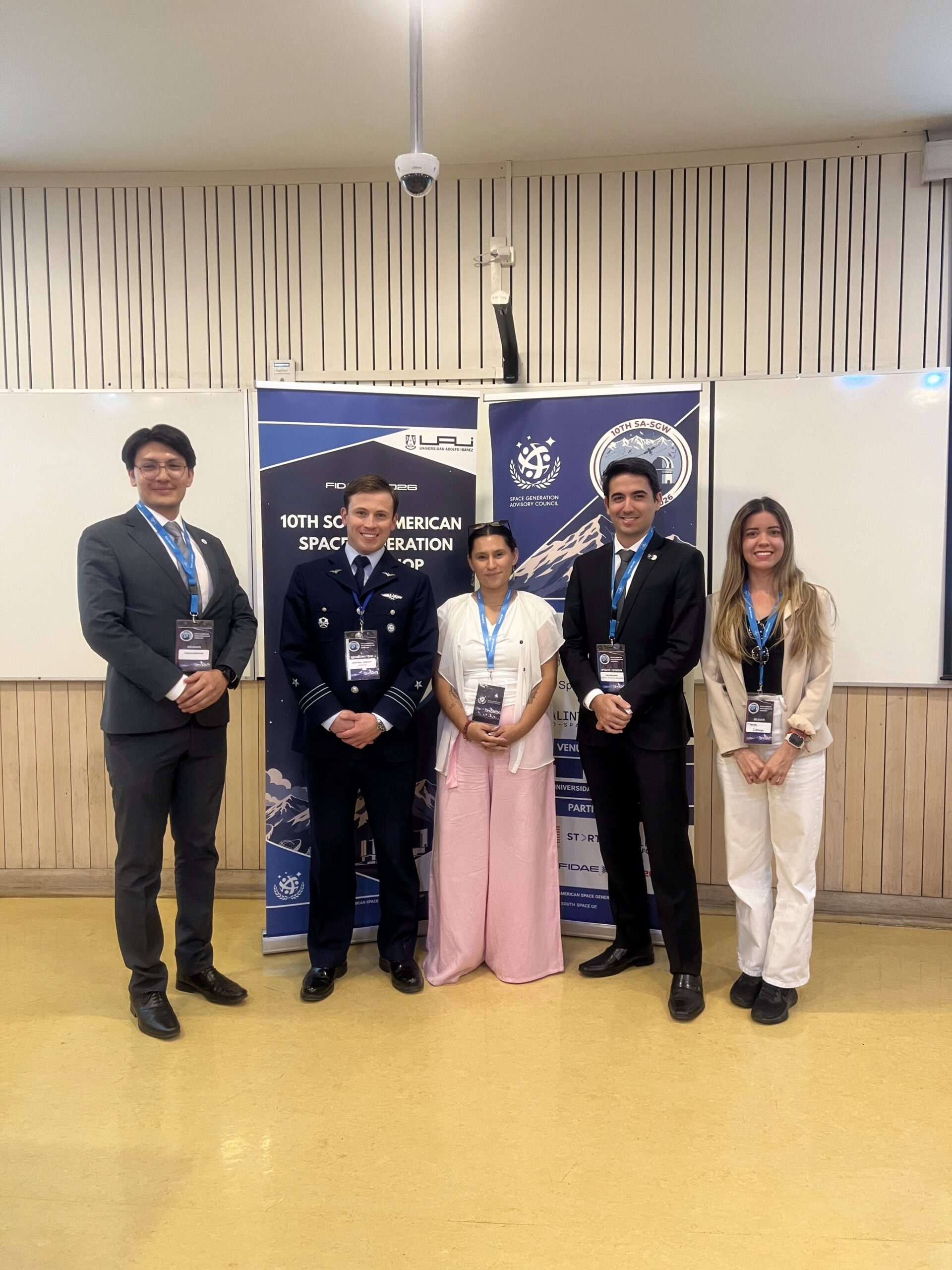
Part of South America Team with Chileans NPoCs
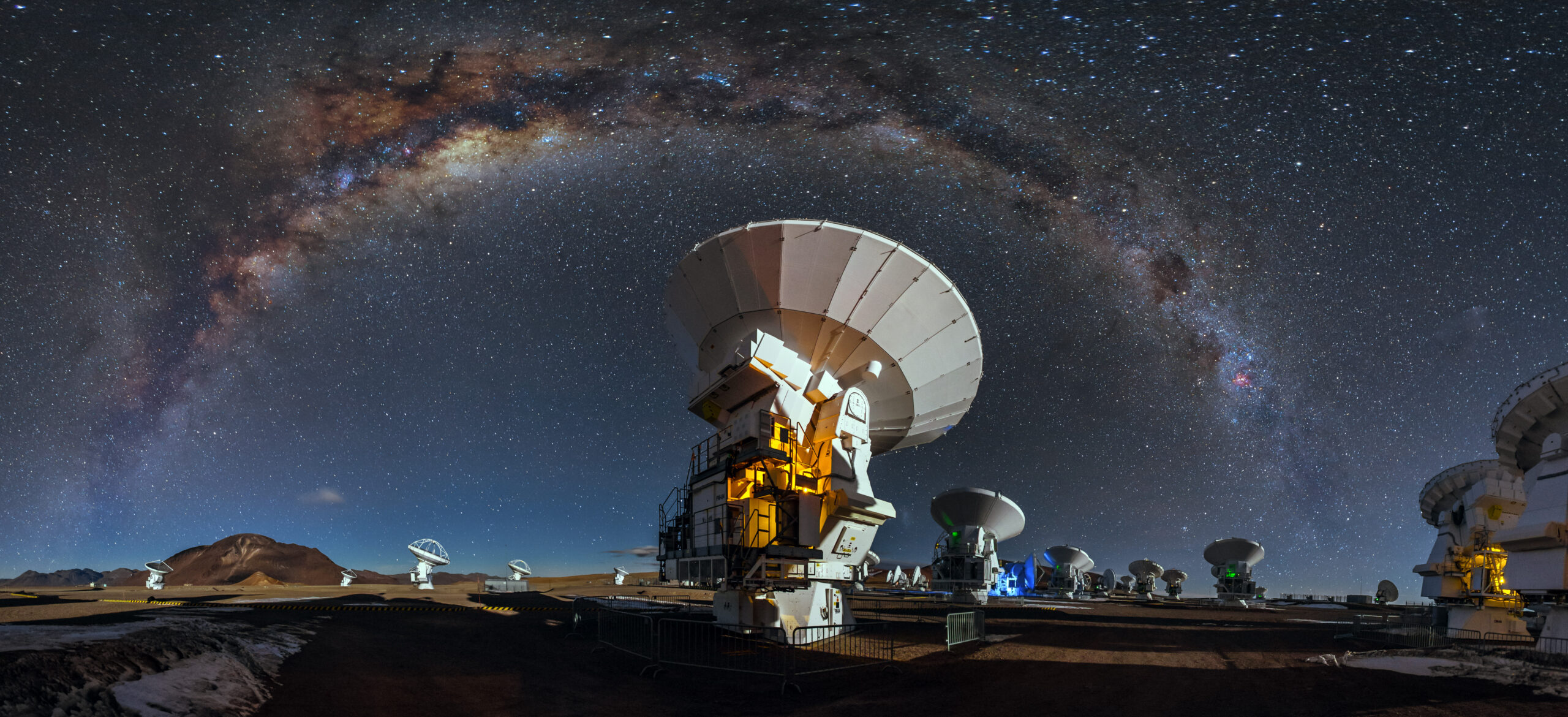
ALMA Observatory
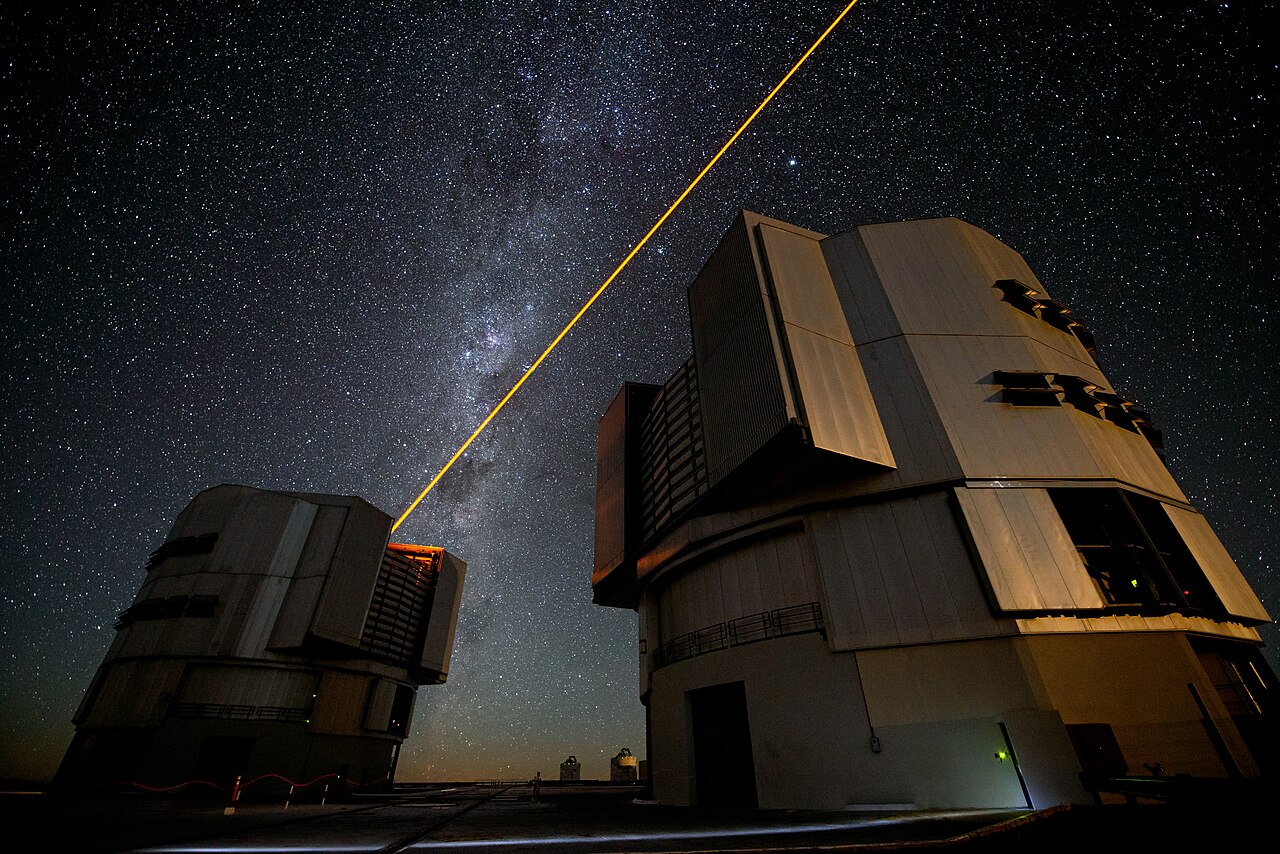
Paranal Observatory
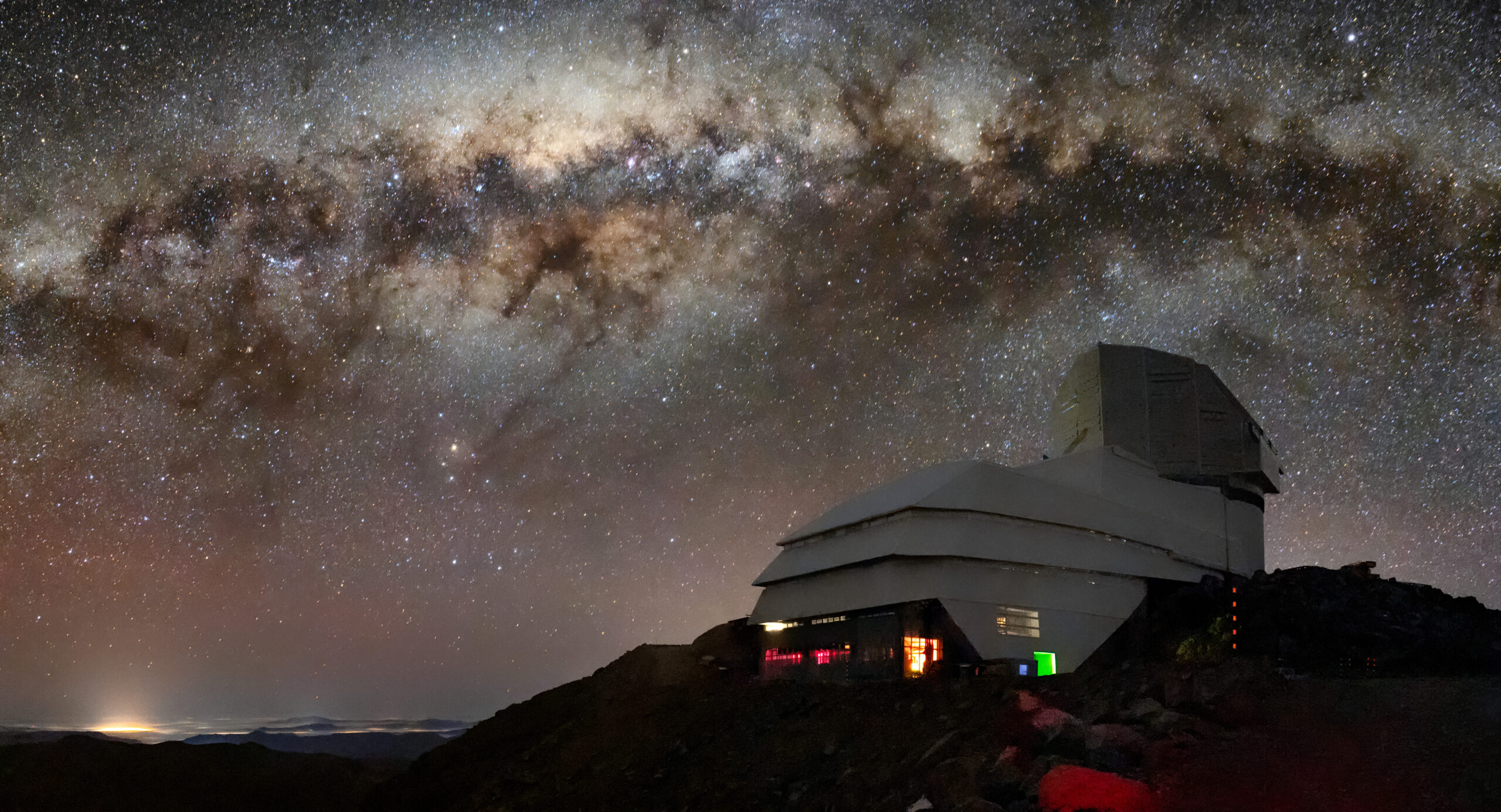
Vera Rubin Observatory
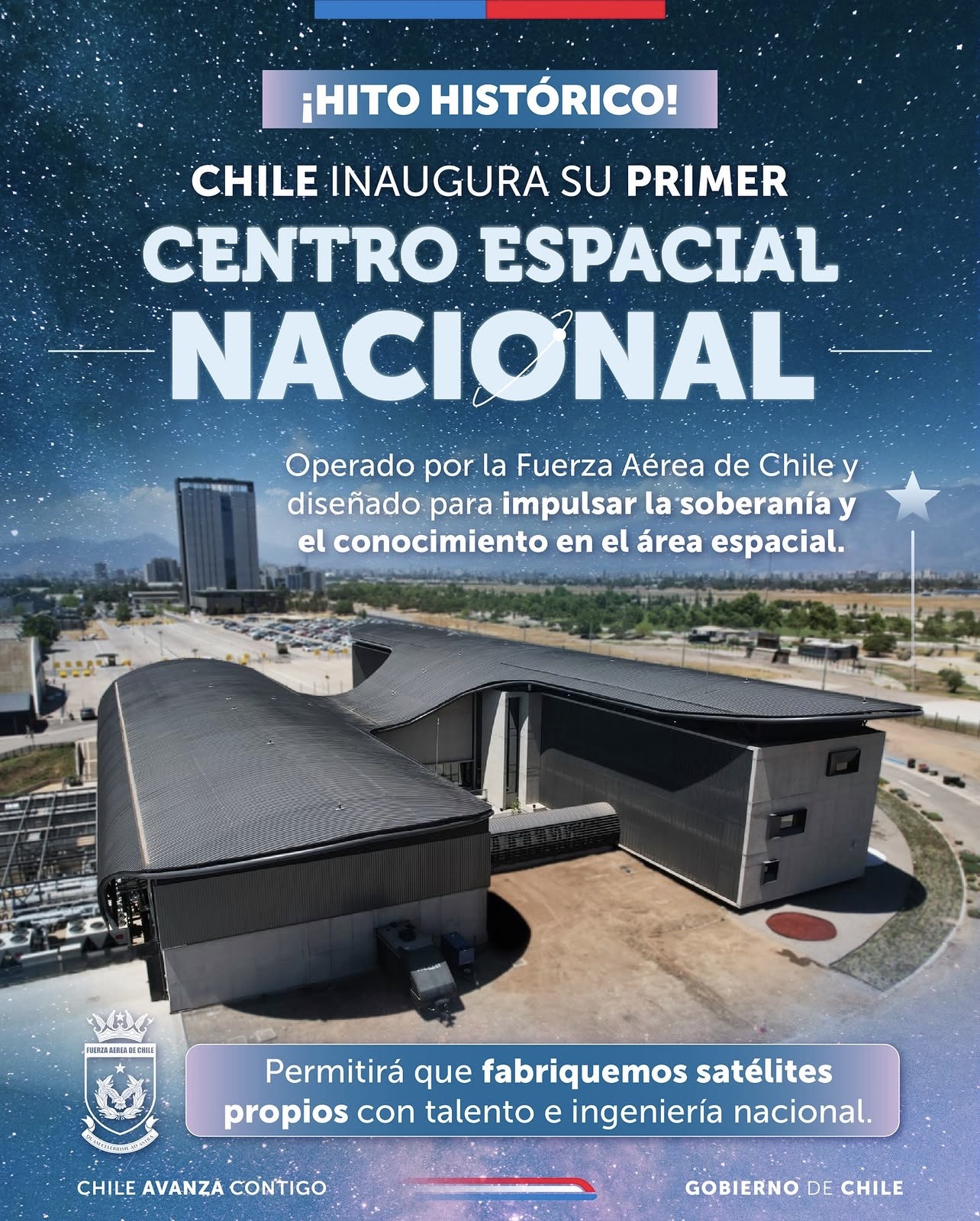
CEN Inauguration